
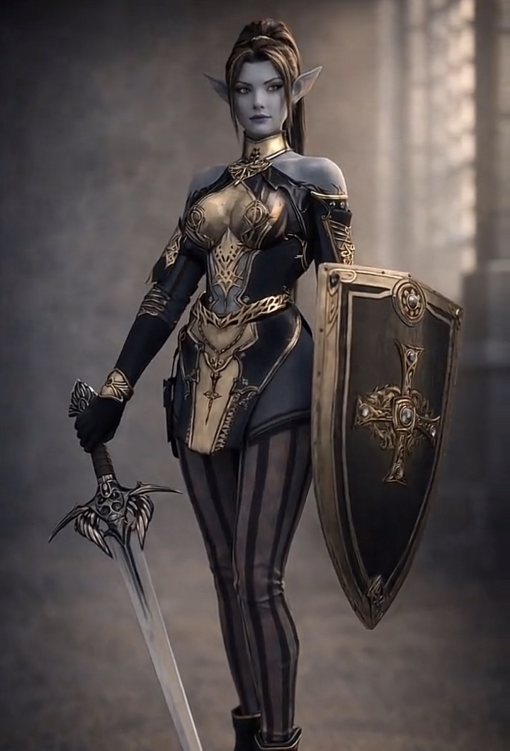
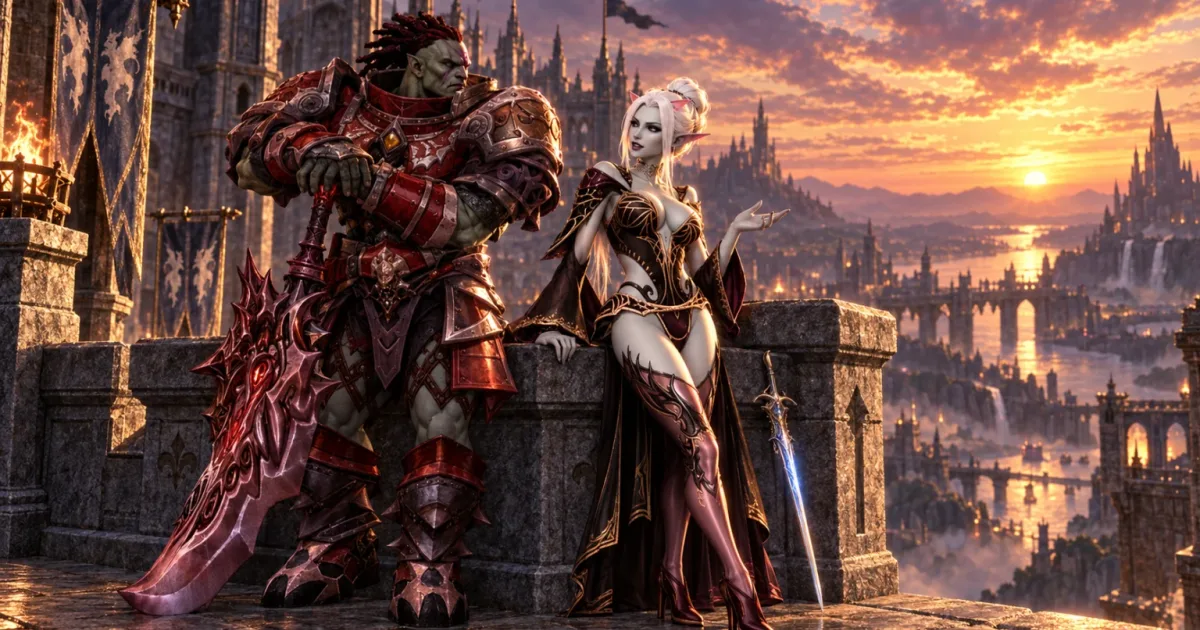
Lineage 2 Prelude was the first chronicle of Lineage II, released in 2003, and laid the groundwork for one of the most iconic MMORPG franchises in the world. This version not only introduced fundamental gameplay aspects but also defined the style and atmosphere that players would experience in future chronicles. In this article, we will delve into the key elements of Prelude, its features, its legacy, and how it compares to other chronicles like Interlude and High Five. It is essential to understand how each aspect of Prelude influenced the subsequent development of the game and the player experience, as well as the differences in mechanics and gameplay that have emerged in later chronicles.
Key Features of Lineage 2 Prelude
Prelude was released with a focus on PvP gameplay, open-world exploration, and a clan system that would become a cornerstone of the game. In this section, we will break down the most notable features of this chronicle, exploring its depth and the details that made it unique.
Clan System and Clan Wars
One of the most innovative aspects of Lineage 2 Prelude was the clan system. Players could form clans and participate in clan wars, which allowed for the creation of alliances and rivalries. Each clan could own castles, granting them significant benefits, including income through taxes and access to exclusive game areas. Clan wars were organized based on a conquest system, where clans fought for control of castles and territories. This system not only fostered competition among players but also introduced complex strategies, as clans had to carefully plan their attacks and defenses. Clans that succeeded in capturing a castle could gain not only prestige but also resources that strengthened their position in the game. Additionally, clan wars were events that attracted numerous players, creating an atmosphere of community and competition.
Graphics and World Design
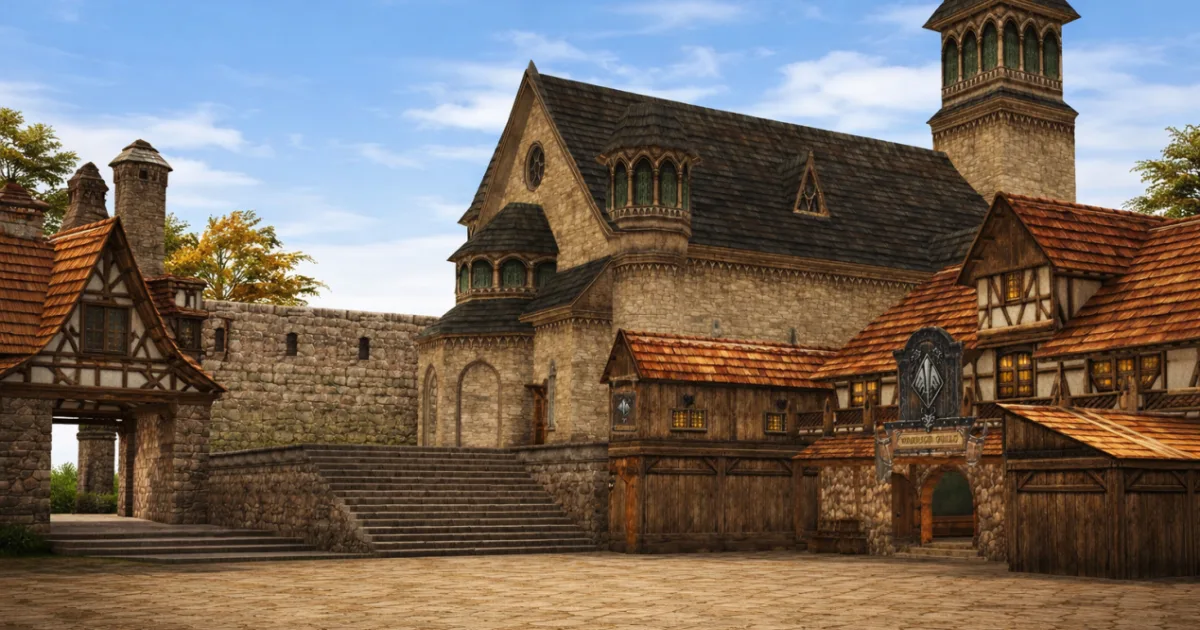
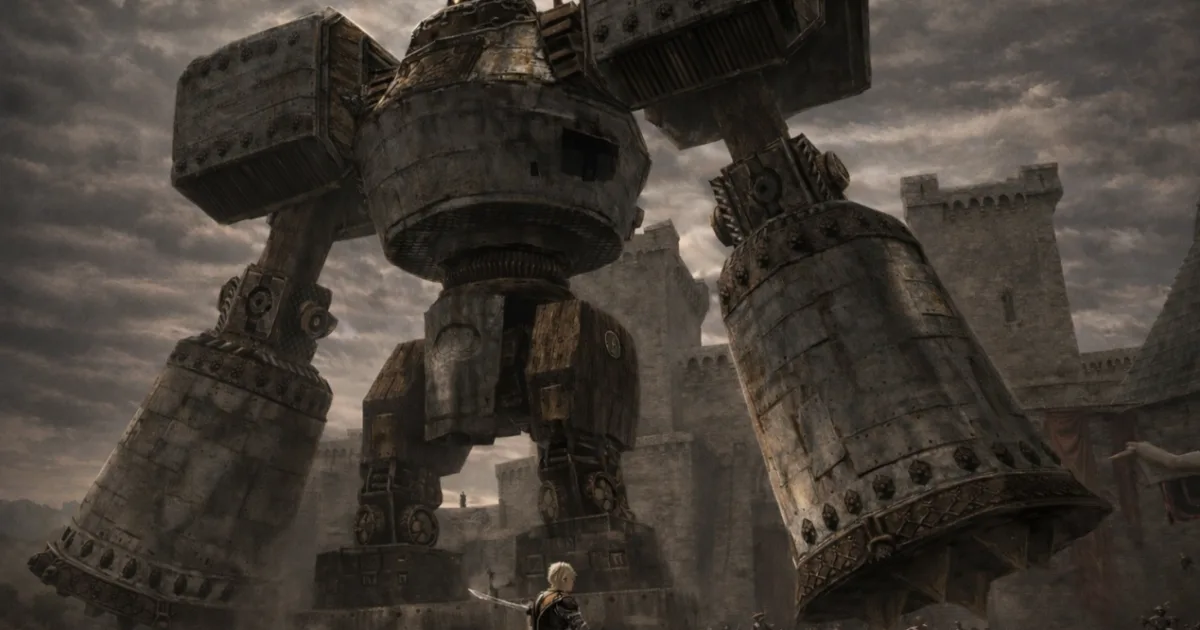
The graphics of Lineage 2 Prelude were revolutionary for its time, offering an immersive and detailed design that allowed players to enjoy a vibrant world. From vast fields to dark dungeons, the world design was meticulously crafted to encourage exploration. The areas were designed to be challenging and reward players who ventured into them. Cities like Gludio and Dion were filled with details that made each area feel alive and unique. For instance, the landscape of snowy mountains contrasted sharply with dense forests, which not only provided a visual change but also offered different types of enemies and resources. In comparison, later chronicles like High Five improved the graphics with higher textures and more dynamic environments, but Prelude laid the groundwork for this evolution.
Classes and Customization
In Prelude, players could choose from several classes, each with its own skill tree. This class system allowed for extensive character customization, fostering specialization and diversity in combat strategies. The classes were divided into warriors, mages, and scouts, each with unique skills that could be developed as the player leveled up. For example, warriors excelled in melee combat, while mages specialized in ranged damage skills. However, the number of classes was more limited compared to later chronicles like Interlude, which introduced new subclasses and skills, allowing players even more customization options and strategies in combat. This focus on customization was crucial for keeping the game fresh and providing players the opportunity to experience different play styles.

Comparison with Other Chronicles: Interlude and High Five
As Lineage II evolved, later chronicles like Interlude and High Five introduced significant changes in gameplay and mechanics. Here we will explore the main differences between Prelude and these chronicles, as well as how these differences impacted the gaming experience. By comparing Prelude with Interlude and High Five, we can see a progression in the complexity and richness of the content offered.
Key Differences Between Prelude, Interlude, and High Five
| Feature | Prelude | Interlude | High Five |
|---|---|---|---|
| Clan System | Introduced | Improved | Optimized |
| Open World | Yes | Yes | Yes, but with more restrictions |
| Number of Classes | More limited | Expanded | Extensive |
| Clan Wars | Fundamental | Revised | Simplified |
| Graphics | Initial | Updated | Enhanced |
| User Experience | Basic | Intermediate | Advanced |
Clan System
While Prelude introduced the clan system, Interlude and High Five perfected it. In Interlude, features such as the ability to create sub-clans and a scoring system for clan wars were added, granting additional rewards. High Five, on the other hand, simplified certain aspects, making them more accessible to new players. For example, clans in High Five could enjoy an achievement system that incentivized active participation and collaboration among clan members. This evolution of the clan system allowed not only for a greater number of social interactions but also a more solid structure for player organization.
Class Customization
The skill tree was expanded in Interlude and High Five, allowing players greater customization of their characters. In Prelude, classes were more limited, which forced players to specialize more strictly. With the later chronicles, new subclasses and skills were introduced that offered more strategic options. This meant that players could experiment with different combinations of skills and roles within their clan, fostering greater diversity in combat strategies. Additionally, the ability to change subclasses in Interlude and High Five provided a flexibility that was not present in Prelude, allowing players to adapt to different combat situations and maintain freshness in their gaming experience.
Cultural Impact and Legacy of Lineage 2 Prelude
The impact of Lineage 2 Prelude on the player community and the development of MMORPGs is undeniable. This chronicle set a precedent for many of the mechanics seen in later games. In this section, we will analyze its legacy and how it has influenced the evolution of the genre, as well as the player community that formed around it.
Influence on Other Games
Lineage 2 Prelude inspired many later MMORPG developers, who adopted its clan and PvP systems. Games like Aion and TERA incorporated similar elements, seeking to replicate the success of Lineage II. The way Prelude balanced exploration with competitiveness has been a model for the industry. Moreover, the clan mechanic has become a standard in many MMORPGs, where players can join together to collaborate and compete in PvP environments. The influence of Prelude extends beyond gameplay, as it also established a focus on storytelling and character development that many modern games continue to use.
Player Community
The community that formed around Lineage 2 Prelude was fundamental to the game's success. Forums and social media groups allowed players to share strategies, form clans, and organize events. This social interaction has endured over the years, becoming an essential aspect of the gaming experience. The community not only organized around gameplay but also fostered a sense of belonging and camaraderie. Massive events like castle sieges became iconic moments that united players and created shared memories. The clan culture and competition in PvP have left a lasting mark on the community, and many players still gather online to relive those moments.
Common Mistakes When Playing Lineage 2 Prelude
Despite its success, many new players make mistakes when starting in Prelude. Here we will discuss some of the most common mistakes and how to avoid them. Knowing these mistakes can help new players adapt more quickly and fully enjoy the gaming experience, avoiding unnecessary frustrations and improving their performance from the start.
Common Mistakes in Lineage 2 Prelude
- Not joining a clan from the start, limiting gameplay opportunities.
- Ignoring the skill system and not specializing correctly.
- Not exploring all areas of the map, missing valuable rewards.
- Focusing solely on PvE and neglecting PvP, which is crucial for progression.
- Not taking advantage of trading and the game's economy, which can limit progress.
Tips to Avoid Mistakes
To maximize the experience in Prelude, it is advisable to join a clan from the beginning, as this not only provides protection but also offers access to events and rewards. Additionally, it is vital to understand the skill system and how each choice affects combat performance. For example, selecting skills that complement the role you wish to play within the clan can make a significant difference in effectiveness in PvP and PvE. Finally, players should explore the world in its entirety, as each zone offers unique resources and experiences that are essential for progress. The game's economy also plays a crucial role, so participating in trading and learning to manage resources can facilitate obtaining gear and upgrades. Understanding the market dynamics within the game will help players optimize their progress and enjoy a richer experience.
Conclusions on Lineage 2 Prelude
Lineage 2 Prelude marked the beginning of an era in MMORPGs, setting a standard that many other chronicles and games have followed. Its focus on community, competition, and exploration has left an indelible mark on the world of video games. For veteran and new players alike, Prelude remains a fundamental part of the Lineage II story and a benchmark for future chronicles. Understanding the evolution of gameplay mechanics from Prelude to more recent chronicles helps players appreciate the advancement of game design and how developers have responded to the needs of the community over time.
Conclusion
In summary, Lineage 2 Prelude was not only a milestone in the history of Lineage II but also left a lasting legacy in the world of MMORPGs. Understanding its mechanics and impact on game development is crucial for any player looking to fully appreciate the evolution of the saga. Looking back at Prelude, we can see how design decisions have shaped the future of MMORPGs and how the player community has grown and evolved alongside the game.
Comments
No comments yet. Be the first.