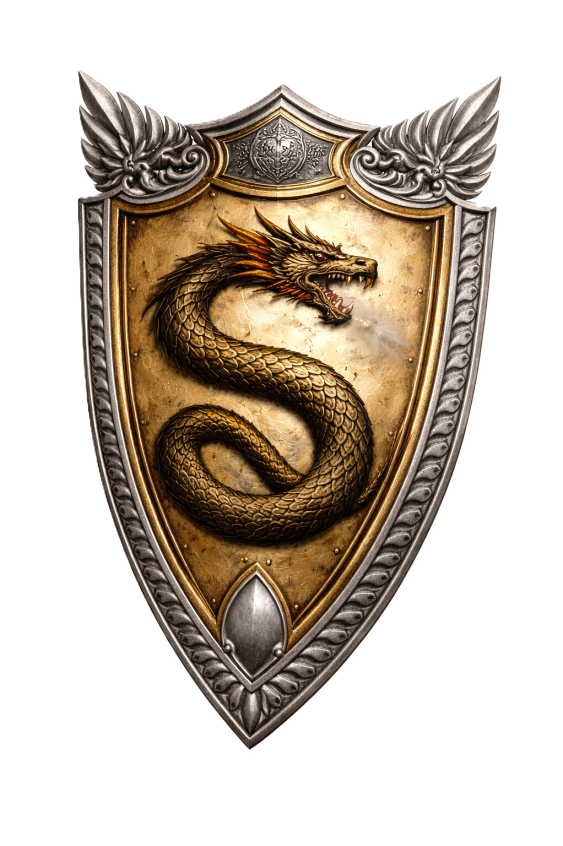
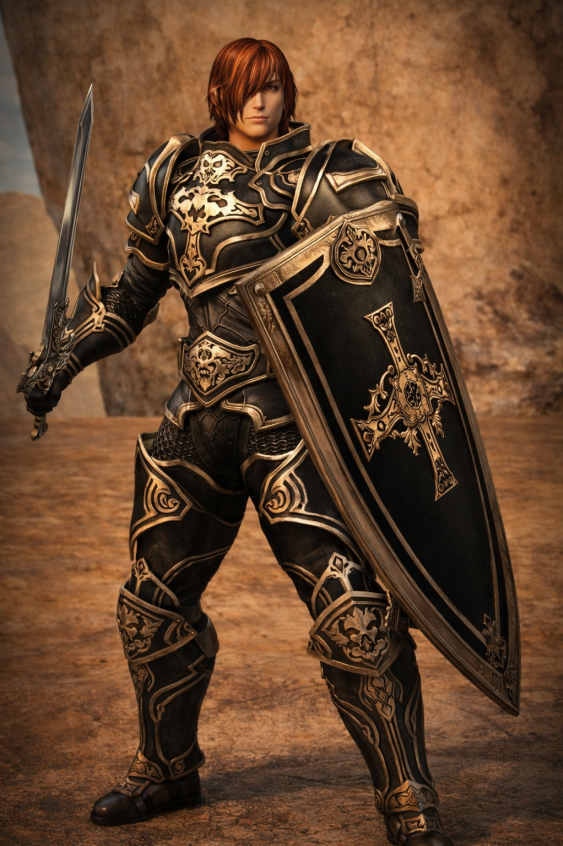
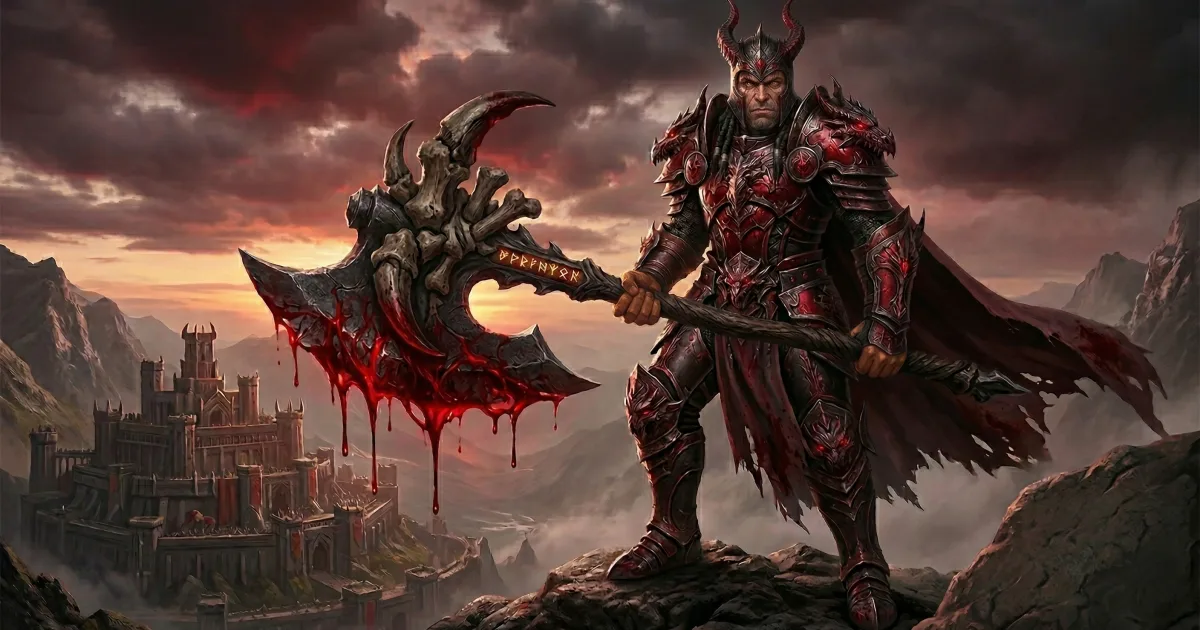
Clan emblems in Lineage II are more than just images; they embody the identity and culture of each clan within the game. Since Chronicle C4 up to High Five, these emblems have evolved into symbols of unity and belonging. In this guide, we will explore how to create, implement, and maintain your clan's reputation through its emblems, as well as common mistakes to avoid in the process. Additionally, we will analyze how emblems have varied across different chronicles and what factors have influenced their acceptance and popularity among players.
What are clan emblems in Lineage II?
Clan emblems are graphical representations that symbolize a specific clan within Lineage II. Their design can be unique and personalized, incorporating a variety of colors and shapes that reflect the clan's identity. These emblems are visible to other players and are frequently used in battles and sieges, serving as a point of pride and recognition. In chronicles such as Interlude and High Five, the design of emblems has become more sophisticated, allowing clans to express themselves more creatively. The importance of an emblem lies in its ability to motivate clan members and create a cohesive community. For example, in the Classic chronicle, emblems played a simpler role, while in High Five, new tools were introduced that allowed for deeper customization, reflecting the evolution of the player community.
History and evolution of emblems
Since the introduction of emblems in the early chronicles of Lineage II, they have gone through several phases of development. In the initial versions, emblems were basic and limited in terms of design. However, as the chronicles advanced, especially with the arrival of High Five, new tools and options were introduced for customizing these emblems, allowing for richer expressions of clan culture. The evolution of emblems also reflects the growing importance of clans in the game's dynamics, especially during sieges and clan wars. In chronicles like Interlude, emblems were primarily used as symbols of belonging, while in High Five, they began to play a strategic role in clan identification and cohesion.
Requirements to create a clan emblem
To design a clan emblem in Lineage II, there are certain requirements that must be met. Each clan must reach a minimum level and possess a Clan Hall to create or modify its emblem. The minimum required level is level 4 of the clan, which means that the clan must have completed certain missions and accumulated sufficient experience in the game. Additionally, clan leaders are the only ones who can make changes to the emblems, which means good communication and planning within the group is essential. To optimize the process, it is advisable for clan members to collaborate on the design, contributing ideas and suggestions that reflect the collective identity of the clan. In older chronicles, such as C4, the creation of emblems was a less technical task, while in later chronicles, a deeper knowledge of the available design tools is required.
Requirements to create an emblem
- The clan must be level 4 or higher.
- The clan must possess a Clan Hall.
- The clan leader must be present to make changes.
Emblem creation process
The creation of the clan emblem is done through the emblem creation system available in the Clan Hall. Once the clan leader accesses this option, they can choose from a series of shapes and colors to create a unique design. It is important to note that emblems can be modified, but this requires an investment of resources and time. Generally, it is recommended to establish a design that is easily recognizable and adequately represents the philosophy of the clan. Emblems can also be used during sieges, where their visibility can influence the morale of clan members and the perception of their enemies. In chronicles like Essence, a more strategic approach to the use of emblems has been noted, especially in relation to reputation and attracting new players.
Impact of emblems on clan reputation
A clan's emblem not only serves as a symbol of identity but also affects the clan's reputation within the game ecosystem. A well-designed emblem can attract new members and inspire loyalty among existing ones. Additionally, in sieges and clan wars, an emblem that stands out can intimidate opponents and provide a psychological advantage. On the other hand, an unattractive or confusing emblem can have the opposite effect, causing players to hesitate to join or engage in clan activities. Therefore, it is crucial that clans invest time in creating emblems that are not only visually appealing but also convey a clear message about the clan's mission and values. When comparing chronicles, in Classic there was less emphasis on visual reputation, while in High Five, clans began to leverage design psychology to strengthen their image.
Effect of the emblem on clan reputation
| Aspect | Impact |
|---|---|
| Attractive design | Attracts new members |
| Recognized emblem | Inspires loyalty |
| Intimidating emblem | Demoralizes opponents |
| Confusing design | Doubt among new members |
Common mistakes when designing emblems
One of the most common mistakes clans make when designing their emblems is not considering simplicity. An overly complex emblem can be difficult to recognize from a distance, especially in massive battles. Additionally, clans often rush the design process and end up choosing color combinations that are not visually pleasing or that blend in with other emblems. A lack of communication among clan members can also lead to designs that do not adequately represent the group's culture or values. To avoid these mistakes, it is advisable to create multiple drafts and seek input from all members before making a final decision. For example, in chronicles like Interlude, many clans underestimated the importance of prior research on successful emblems, leading to ineffective designs.
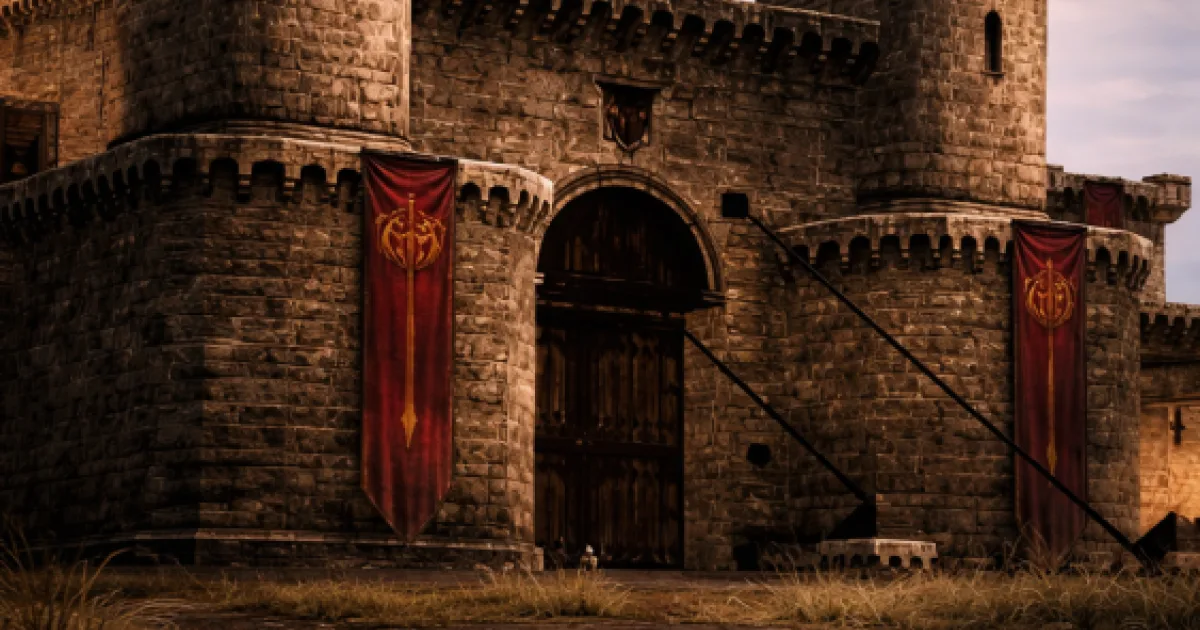
Examples of successful emblems in Lineage II
Over the years, many clans have stood out for their unique and memorable emblems in Lineage II. These emblems are not only visually appealing but also tell stories about the clans they represent. For instance, the clan 'Fallen Angels' has utilized an emblem that combines a winged figure with dark tones, reflecting their philosophy of combat and camaraderie. Another example is the clan 'Riders of the Storm', whose emblem features a horse charging with a lightning bolt, symbolizing speed and power. These emblems have helped cement the reputation of these clans within the game and attract new players looking to join their cause. Additionally, in chronicles like Classic, some clans managed to establish a solid identity simply through a memorable design, showing that complexity is not always necessary to stand out.
Analysis of popular emblems
When analyzing popular emblems, it can be observed that many of them use contrasting colors and simple shapes to maximize visibility. For instance, the clan 'Eternal Warriors' opts for an emblem that includes a crossed sword and a shield, using red and black colors that evoke strength and determination. This type of design is not only attractive but also clearly communicates the clan's mission. Furthermore, emblems that include specific cultural or historical elements may resonate more with players, helping to establish an emotional connection and increase group cohesion. In the High Five chronicle, clans began to use their emblems not only in-game but also on social media, expanding their reach and visibility.
Tips for maintaining an effective clan emblem
Maintaining an effective clan emblem involves not only designing it correctly but also ensuring it remains relevant over time. As the clan evolves, it may be necessary to make updates to the emblem to reflect new values or changes in group dynamics. Additionally, it is essential to promote the emblem among members and ensure it is used in all clan activities, from sieges to meetings. This will help create a strong visual identity that members can carry with pride. It is also advisable to conduct periodic surveys within the clan to gather feedback on whether the emblem still resonates with players and if there are suggestions for improvements. In more recent chronicles, such as Essence, clans have begun to implement voting systems to decide on changes to emblems, increasing participation and cohesion levels.
Emblem updates and revisions
Emblem updates should be planned and communicated to all clan members. Sudden changes can cause confusion and discontent, so it is important to establish a process where everyone can express their opinions. For example, if the clan decides to change its emblem to reflect a new focus or strategy, a prior announcement should be made, allowing members to vote on the new design. This approach not only ensures that the emblem remains representative but also fosters a sense of belonging and commitment among clan members. In chronicles like High Five, many clans implemented forums to discuss these changes, which has proven to be an effective strategy for maintaining cohesion and member interest.
Conclusion
Clan emblems in Lineage II are a powerful tool not only for visual identification but also for establishing culture and cohesion within the group. Through thoughtful design and active participation from all clan members, it is possible to create an emblem that is not only attractive but also accurately represents the clan's values and mission. By paying attention to details and maintaining open communication, your clan can stand out in the competitive world of Lineage II. The evolution of emblems and their impact on servers/lineage-ii-private-servers-guide" class="article-link">gaming culture demonstrate the growing importance of these symbols in the player experience.


Comments
No comments yet. Be the first.